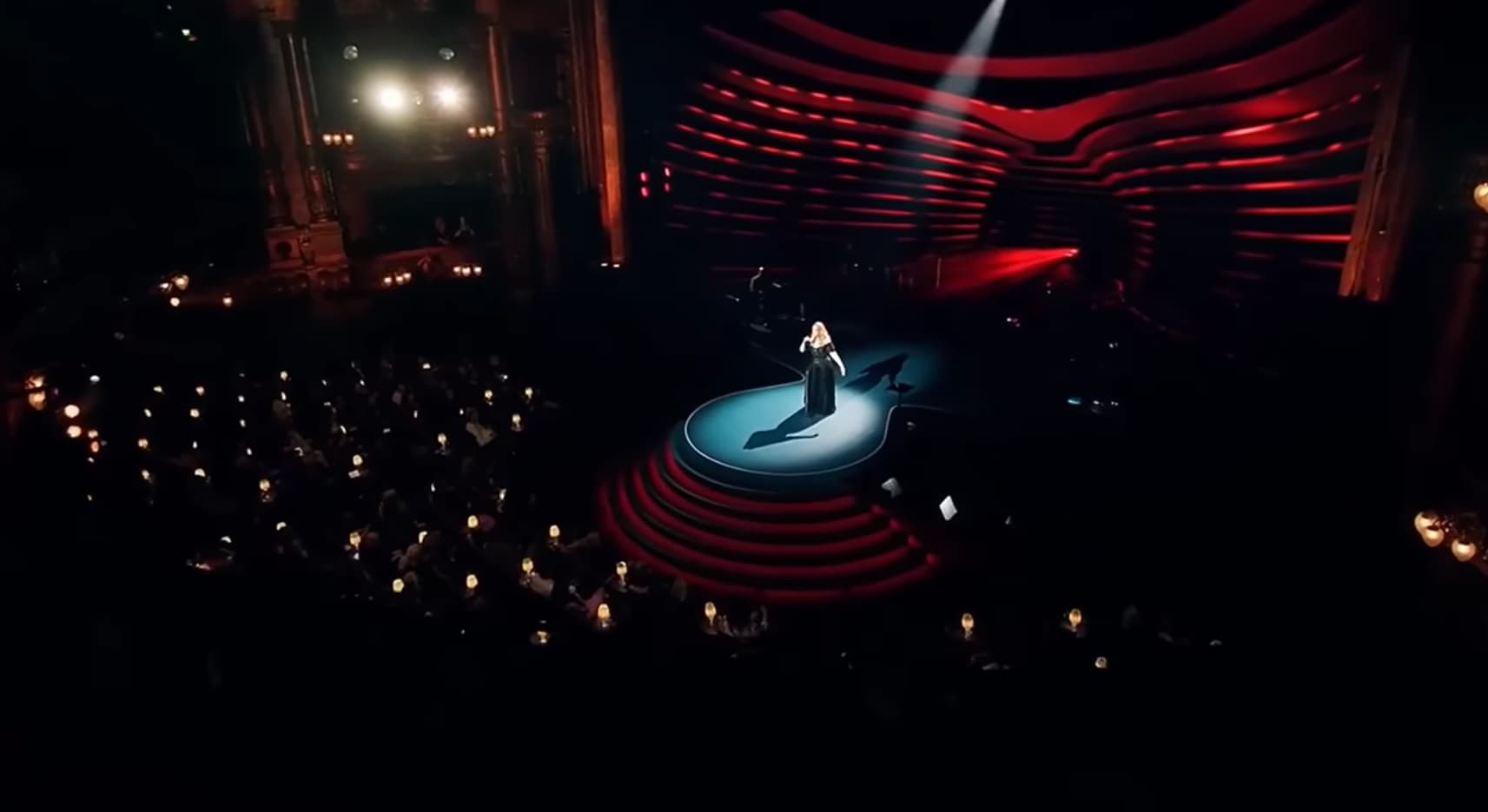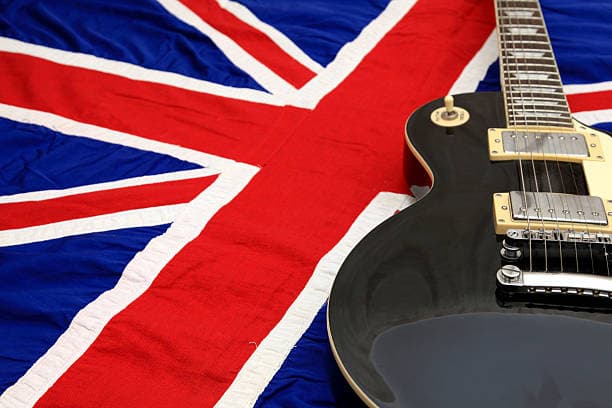
Post-war Britain in the mid-20th century was a country of contrasts. On one hand, it carried the heavy legacy of destruction, economic hardship, and the strict norms of traditional society. On the other, there was a strong desire to live differently, to seek joy, and to express inner freedom. In this situation, music became not just an art form but a reflection of social changes. It helped millions of people forget about hardships and find points of connection, becoming the cultural language of an entire generation.
The British music scene began to take shape at the intersection of jazz, blues, and American rock and roll influences, but even then it was already developing its own identity. Music offered hope and symbolized a new world in which young people had the right to their own voice.
Youth Revolution and New Forms of Leisure
The 1950s became a time of challenging traditions. The youth of Great Britain for the first time felt like a distinct social force, and music became the main symbol of this change. American rock and roll inspired British teenagers to form their own bands, which led to the rise of the first local idols. Dance clubs, small concert venues, and radio broadcasts turned into centers of cultural activity.
At the same time, leisure habits were changing. People sought new forms of entertainment, where emotions and a sense of freedom were essential. If in the mid-20th century these were dance halls and street performances, today similar roles are played by digital formats — online concerts, streaming, and even gambling entertainment such as online casinos. All this continues the tradition of searching for new cultural experiences and demonstrates that the pursuit of vivid emotions is a trait that unites generations.
For fans of online entertainment, we recommend visiting the website — novecasino.net, which offers a wide selection of online casinos, providing a comfortable atmosphere, modern games, and convenient access for those who appreciate bright emotions and excitement.
The “Swinging Sixties” and the British Miracle
The 1960s became a true triumph for British music. The country gave the world an entire wave of bands that changed global culture. The Beatles became the symbol of the era, while The Rolling Stones, The Who, and many others set the direction for decades to come. Music ceased to be just entertainment — it became part of public discourse. Songs addressed themes of love, freedom, and defiance of convention, and society grew increasingly confident that music could change reality.
London turned into the cultural capital of the world. The “Swinging Sixties” became a time of fashion, experiments, and new ideas, and Britain — a symbol of a young, bold, and innovative nation. For Europeans, including the people of the Czech Republic, this period was a window into another world, where music embodied freedom and openness that were not available in everyday reality behind the “Iron Curtain.”
The Seventies — Music as a Mirror of Crisis
In the 1970s, the public mood in Britain shifted. Economic difficulties, rising unemployment, and social discontent were reflected in music. The emergence of punk rock became a symbol of protest. The Sex Pistols and The Clash voiced injustice and disappointment with loud, aggressive chords. Punk embodied the destruction of old forms and the desire to speak the truth directly.
At the same time, other directions flourished: progressive rock, heavy metal, synth-pop. All this demonstrated the multilayered nature of the British scene, which was not limited to a single genre. Music became for society not only a form of entertainment but also a tool of political expression, a way to voice anxiety and dissatisfaction with reality.
Influence on Modernity
The musical legacy of post-war Britain cannot be overestimated. It gave the world not only legendary bands but also the very idea that music can be a social force, shaping the mood of an era and influencing politics and culture.
Today, in the digital age, we see a continuation of this tradition: online concerts, music streaming, virtual communities, and new forms of entertainment continue the same line of seeking freedom and novelty. Music remains a universal language that unites people of different countries and generations.
For the Czech Republic, this experience is particularly close: the British musical revolution became an example of how culture can inspire and support people even in times of restrictions and crises. Music born on the streets of Liverpool or in London clubs became a symbol of hope and change, understandable and relevant to all of Europe.
Conclusion
Post-war Britain demonstrated that music is not just sound but a reflection of society, its hopes, protests, and aspirations. From the jazz rhythms of the 1950s to the explosive punk of the 1970s, it moved hand in hand with people, helping them cope with crises and drawing inspiration from their dreams.
Today, as culture once again transforms under the influence of technology, we see that this lesson remains relevant. Music continues to be a symbol of freedom, and Britain — its main source. This is the true legacy of the post-war era: it showed that art is capable not only of embellishing life but of changing it.