Rock music, as a genre that revolutionized musical culture, was born in the United Kingdom in the 1950s. Its development and formation are inseparable from the emergence of the first rock concerts, which played a key role in the genre’s spread and evolution. The history of British rock music has unique features, where social changes, youth culture, and technological innovations of that time are intertwined.
The Birth of Rock Music in the United Kingdom
The beginning of rock music is linked to the influence of American rock, which entered the United Kingdom in the post-war years. During this time, such artists as Elvis Presley, Chuck Berry, and Little Richard became popular on British radio stations. Their energetic and expressive compositions, based on blues and country, served as inspiration for British musicians, who began creating their own works.
However, the most significant milestone for the United Kingdom was the appearance of the first rock bands. In the 1950s, groups like The Shadows emerged, who not only performed on the musical scene but also in clubs and at dance events. In the early 1960s, when rock music started gaining popularity worldwide, legendary bands such as The Beatles, The Rolling Stones, and The Who began to perform on the British stage. These bands not only created a revolution in musical sound but also became symbols of youth culture.
The First Rock Concerts: From Clubs to Mass Performances
With the birth of rock music in the United Kingdom, a new form of musical performance emerged — rock concerts. Initially, these were small club performances where musicians played for a limited audience. These concerts were not only musically significant but also culturally important. The youth saw rock music as a protest against the established norms of society. It was a time of social change, and rock music became the tool for expressing dissatisfaction and protest.
Rock concerts in the early 1960s had characteristic features that defined the atmosphere of the time. The focus was not only on the music but also on the energetic behavior of the participants. Young people danced, screamed, and even tried to interact with the artists. Often, these performances took place in closed venues — clubs and small halls, where the sound was loud and powerful.
The Development and Popularization of Rock Concerts
As each year passed, rock music in the United Kingdom became increasingly popular. By the 1960s, larger concert halls began to emerge, where famous rock bands could perform. One of the symbolic events was The Beatles’ performance in 1963 at the Cavern Club in Liverpool. This event attracted attention not only from fans but also from the media, marking the starting point for rock concerts to become a mass phenomenon.
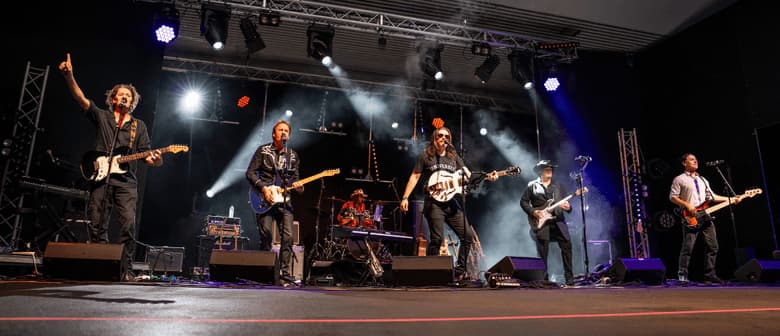
In the 1960s, the first rock festivals began to appear, uniting tens of thousands of people at a single concert. These events became an important element of rock culture, and British musicians started performing at large venues like Wembley Arena and Hyde Park. It is especially important to note that these concerts became true spectacles, combining music, lighting, and visual effects.
Rock Concerts in the Era of Grunge and Punk
By the late 1960s and early 1970s, the British rock scene continued to evolve, and new musical directions such as punk and grunge began to gain popularity. During this period, rock concerts took on a more aggressive character. Bands such as The Sex Pistols and The Clash brought elements of protest and anarchy into their music, which was also reflected in their performances. The concerts of these groups were marked by rebellious energy, often becoming the subject of public debate.
A significant moment for British rock concerts was the Woodstock Festival, which had a major influence on the development of the British music scene. In response to the American wave of festivals, large-scale musical events such as the Glastonbury Festival began to be held in the United Kingdom. Glastonbury continues to this day, drawing a huge crowd of rock music fans.
Technological Innovations and the Role of the Media
With the development of rock concerts, it is important to note the impact of technology and the media. By the late 1960s, the use of lighting and sound effects became widespread, making concerts more spectacular and attractive to the audience. At the same time, television and radio began to actively broadcast rock concerts, which contributed to the popularization of the genre not only in the United Kingdom but worldwide. Programs such as Top of the Pops became platforms for rock bands to promote their music and perform live.
Conclusion
Rock music in the United Kingdom has come a long way, from club performances to grand festivals. Rock concerts became not just a place for listening to music but also an important part of social life, culture, and youth self-identification. The role of the United Kingdom in shaping global rock culture cannot be overstated, and the first rock concerts played a crucial role in the formation of this genre. Today, we see how the historical traditions of British rock concerts continue to develop, maintaining their uniqueness and appeal to audiences around the world.