Skiffle is a musical phenomenon that at first glance may seem like a fleeting episode in the history of the 20th century, but it was precisely skiffle that became the starting point for an entire generation of British musicians, including the future members of The Beatles. The genre originated in the United States in the first half of the century as a mix of folk, blues, and jazz, often performed on makeshift instruments—washboard, tea chest bass, homemade guitars, and banjos. This music did not require major investment, which made it close to the working class who sought lightness, freedom, and the possibility of self-expression.
In postwar Britain, skiffle experienced a revival thanks to Lonnie Donegan, often referred to as the “King of Skiffle.” His recordings of the late 1950s became the catalyst for a true boom. The simplicity of the chords and the minimal demands on musical skill allowed thousands of teenagers to create their own groups right in garages and living rooms. This was nothing short of a revolution in Britain’s musical culture—skiffle gave everyone a chance to touch the stage.
Skiffle and Liverpool: The Birth of The Beatles
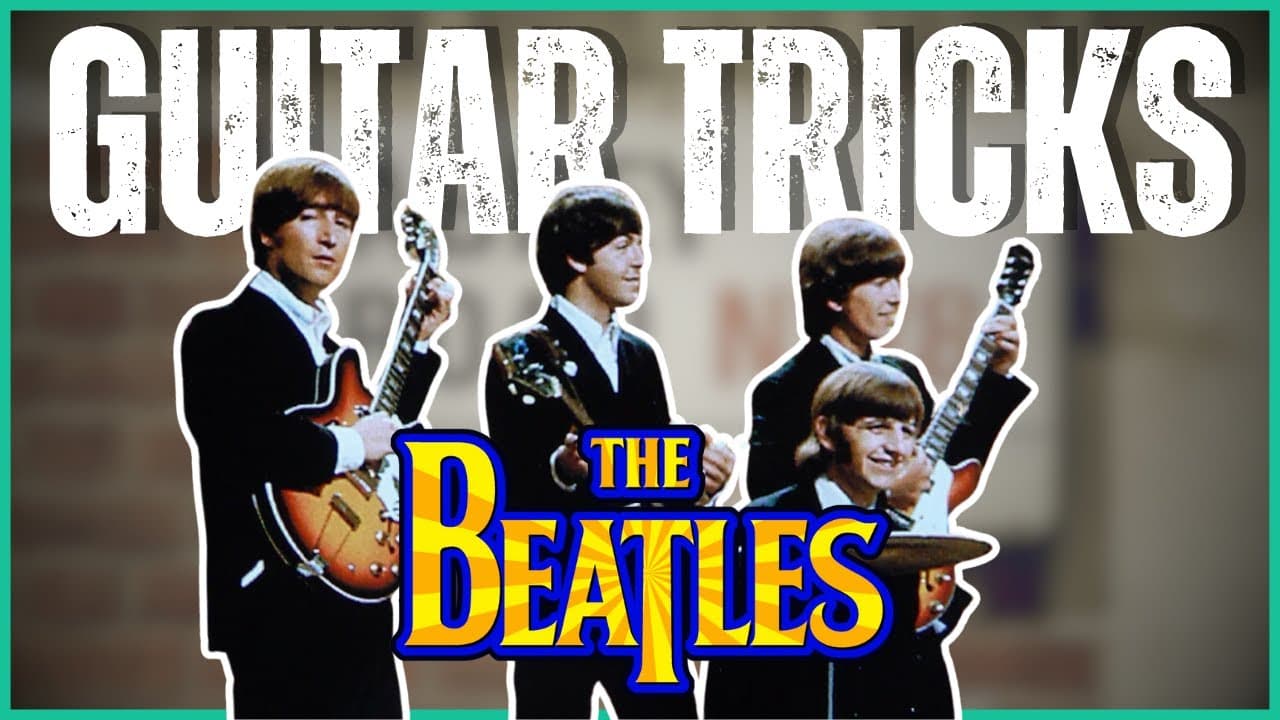
It was in Liverpool, an industrial port city with a strong working-class spirit, that skiffle found fertile ground. Here grew young John Lennon, Paul McCartney, and George Harrison, who were introduced to collective music-making through skiffle. In 1956 Lennon formed a band called The Quarrymen, performing mostly skiffle. Their repertoire included simple American songs, but more importantly, it gave the members experience of performing, rehearsing together, and gaining confidence.
Paul McCartney first noticed The Quarrymen at a skiffle concert. He soon joined the group, followed shortly after by George Harrison. Thus, the passion for skiffle directly led to the formation of the core of The Beatles. Although the genre soon gave way to rock and roll, it became the bridge between American tradition and the British musical revolution.
Simplicity that Brings Freedom
The main feature of skiffle was its accessibility. It did not require expensive instruments or formal education. Three chords and a genuine desire to perform—that was enough. In an era when Britain was still recovering after the war, with few resources and opportunities for youth, skiffle offered a chance to feel part of something bigger. For the future Beatles, it became a school of creativity: they learned not only to play but also to improvise, to work as a team, and to dream of their own songs.
In many ways, skiffle can be called the first “democratic” genre of British pop culture. If jazz and classical music seemed elitist, skiffle was truly the music of the streets and neighborhoods. And this atmosphere of freedom and participation had a huge influence on The Beatles’ style, who always sought to break boundaries and involve their audience in a shared musical experience.
From Skiffle to Rock and Roll
By the late 1950s it was already clear that rock and roll was rapidly replacing skiffle. Elvis Presley, Chuck Berry, and Little Richard were opening up new horizons, and British teenagers increasingly picked up electric guitars. But it was skiffle that made this transition possible. It prepared the ground, created the culture of amateur bands, and gave the initial impulse without which the legendary Liverpool Four might never have come to be.
The Beatles themselves rarely mentioned skiffle in their later years, but its trace can be felt in their early compositions—simple harmonies, lively performance, and a touch of irony. Even when they became icons of pop music, their approach to the song remained strikingly democratic and open, rooted in their skiffle years.
The Legacy of the Genre
Today skiffle is perceived as a kind of “musical archaeology.” It is rarely heard on modern stages, but its influence remains tangible. In Britain and in the Czech Republic there are still clubs where enthusiasts gather to play old skiffle tunes on banjo or guitar. For many researchers, the genre is a symbol of how simple ideas can change the cultural landscape.
In the Czech Republic, where the tradition of street and bard music has a rich history, skiffle resonates as a reminder of the power of music born from minimalism and sincerity. Perhaps this is why interest in its roots has not disappeared—at the heart of skiffle lies the universal human desire for free self-expression.
Conclusion
Skiffle was not just a fleeting musical craze—it was the spark that lit the fuse of an entire cultural explosion. Without it, neither The Beatles nor the British rock revolution of the 1960s would have taken shape in the way we know them today. Imagine it: three simple chords, a washboard doubling as percussion, a handful of friends gathered in a garage or living room—and from this modest beginning grew the sound that would conquer the world.
The magic of skiffle lay not in sophistication but in its raw, unpolished energy, in the sense that anyone could pick up an instrument and become part of something larger. It was music that belonged to the people, and precisely because of its accessibility, it nurtured dreamers who dared to change the face of popular culture.
Its legacy is a reminder that history often turns not on grand, deliberate designs but on small, spontaneous acts of creativity. What began as playful experiments in kitchens and backyards became the training ground for legends, proving that even the humblest rhythms can set the stage for revolutions in sound, style, and spirit.